More Than Just a Feeling
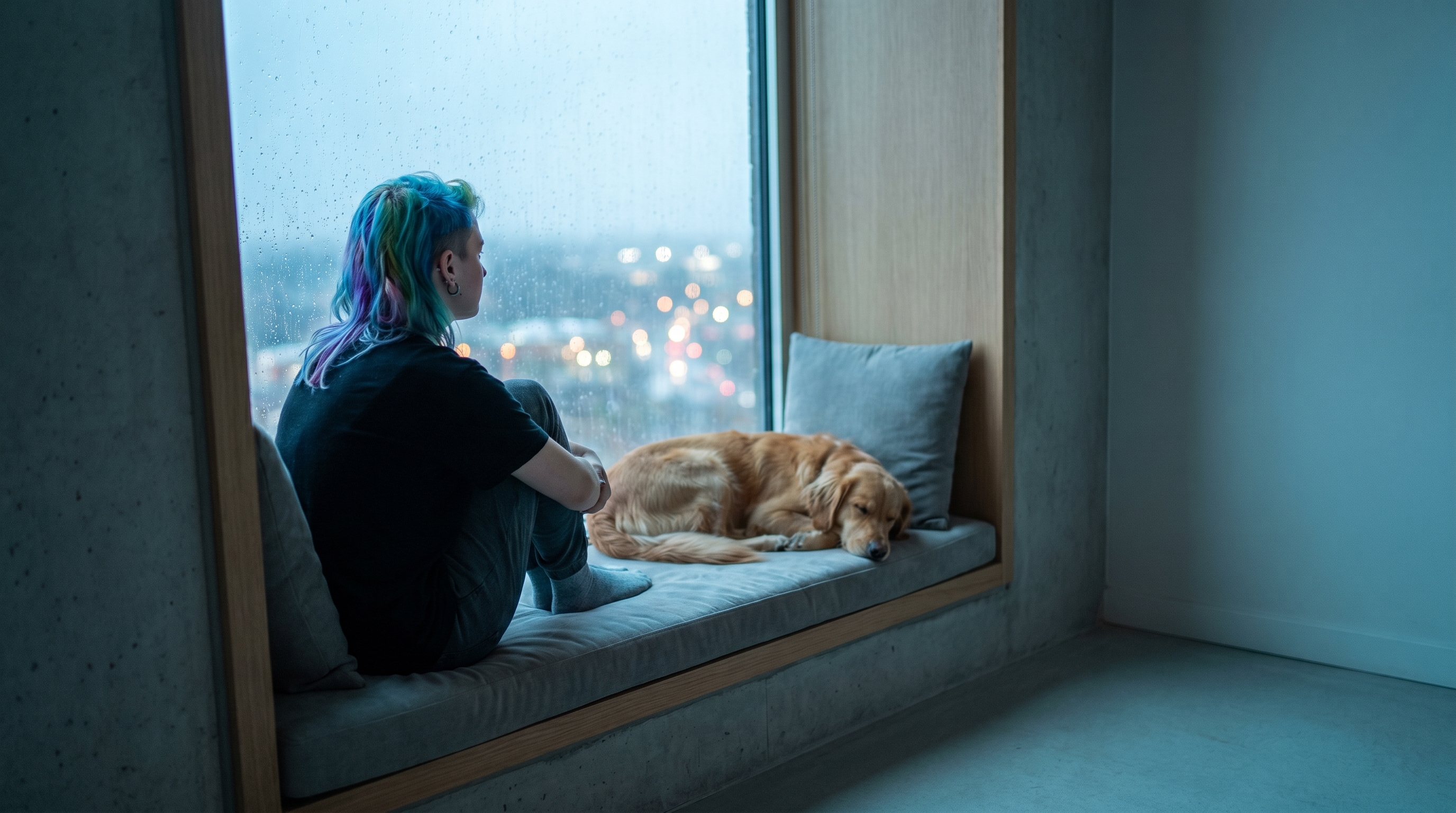
That feeling of calm when a dog rests its head on your knee is not just in your head. For years, we have treated mental health care as a purely clinical, human-to-human interaction that happens inside an office. While traditional therapy is a powerful and necessary tool, this narrow view can overlook profound, biologically-wired sources of comfort and healing that exist all around us, including in the animal kingdom.
The truth is, well-being is a whole-person experience. It involves the mind, the body, and the context of our lives. When one of these is out of sync, the others are affected. Anxieties of the mind manifest as tension in the body. A lonely life can dampen our mental and physical energy. This is where innovative and progressive approaches like animal-assisted therapy (AAT) are showing remarkable promise, bridging the gap between clinical support and real-world comfort.
The Mind-Body Connection on Four Legs
Animal-assisted therapy is more than just “petting a nice dog.” It is a structured, goal-oriented intervention directed by a health or human service professional. It is being integrated into settings from university campuses during finals week to police departments for officer wellness and hospitals for patient recovery. The reason it works is that it engages our minds and bodies simultaneously.
Mentally and emotionally, animals offer something uniquely powerful: non-judgmental companionship. They do not care about your past mistakes or your social status. This creates a safe space for connection, which can lower feelings of isolation and depression. For individuals who find it hard to open up to a human therapist, an animal can act as a social bridge, making difficult conversations feel more accessible.
Physically, the effects are just as significant. The simple act of petting an animal can trigger a powerful biochemical response. As the American Heart Association has noted, interaction with animals can help lower blood pressure and regulate heart rate during stressful situations. It is a tangible, physiological shift that supports the work being done on a mental and emotional level. This is a clear example of how a progressive modality can directly impact physical health outcomes.
The Science of Comfort
The calming effect of animals is not anecdotal. It is backed by clear scientific evidence. When we interact positively with an animal, our brains begin to produce more oxytocin. This is the hormone often called the “love drug” or “bonding hormone.” It plays a huge role in social bonding, trust, and emotional regulation. At the same time, our levels of cortisol, the primary stress hormone, begin to decrease.
Here is what the research shows: A 2019 study published in the journal *AERA Open* found that college students who spent just 10 minutes in a hands-on session with cats and dogs experienced a significant reduction in their cortisol levels. This demonstrates a direct, measurable biological benefit from a relatively brief interaction. It is a simple intervention with a complex and positive impact, validating AAT as a legitimate therapeutic tool.
How to Explore Animal-Assisted Wellness
Integrating the benefits of animal interaction into your life does not necessarily require adopting a pet. There are many ways to explore this connection as part of a holistic approach to your health. AAT can work alongside traditional talk therapy or as a standalone support system, depending on your needs.
- Look for certified therapy animal organizations in your community. Many have programs that visit libraries, schools, or community centers and are open to the public.
- Consider volunteering at a local animal shelter or rescue. The act of caring for animals can be deeply therapeutic and provides a sense of purpose and connection.
- If you are working with a therapist, ask them about their knowledge of AAT or if they can refer you to a practitioner who specializes in incorporating it.
Exploring different paths to well-being is a sign of strength, not a last resort. The goal is to find what truly supports you on your journey, in all aspects of your life. Finding the right practitioner and the right modality can make all the difference in feeling seen, supported, and whole.