Cold Plunge vs Float Tank for Anxiety: Which is Better?
You feel the familiar hum of anxiety building. It is a low-grade static that makes it hard to focus at work and even harder to relax at home. You have heard friends and podcasts talk about new wellness therapies, but when it comes to the choice of a cold plunge vs float tank for anxiety, the options can feel more confusing than calming. Both promise relief, but they work in dramatically different ways. Understanding how each modality interacts with your nervous system is the key to choosing the right path for your mental well-being.
Traditional anxiety treatments like talk therapy and medication are foundational for many, but they are not the only options. Sometimes, these clinical approaches work best alongside practices that target the body's direct experience of stress. The search for complementary care is what leads many people to explore therapies that work on the mind-body connection, aiming to regulate the physical symptoms of anxiety to bring about mental peace.
How Cold Plunges Impact the Nervous System
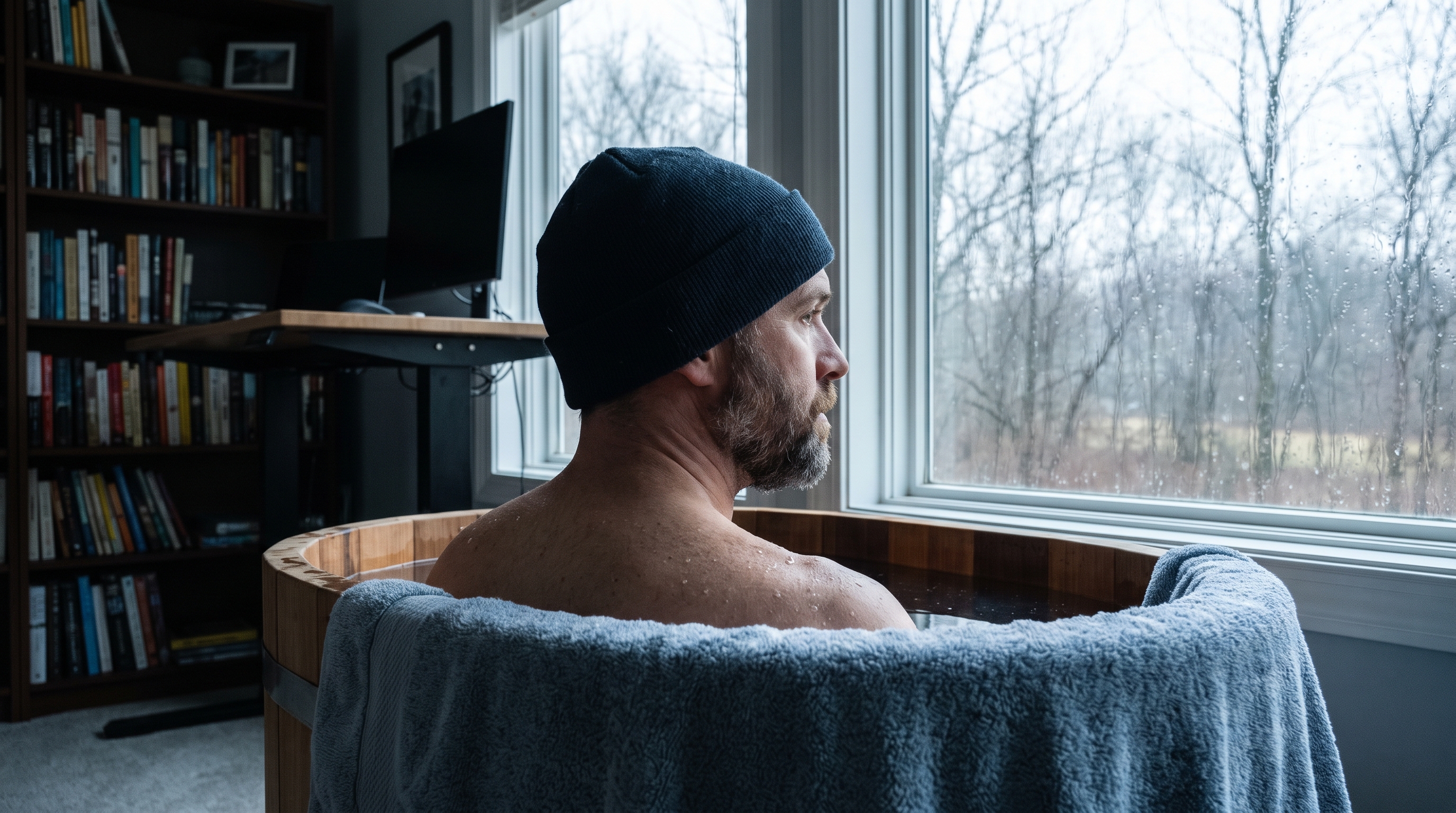
Submerging your body in icy water might seem like the last thing you would want to do when you are feeling anxious. The initial shock is intense. Yet, this intentional stress is precisely the point. The practice of cold water immersion is a form of hormesis, or exposing the body to a small, controlled stressor to provoke a beneficial adaptive response. When you plunge into cold water, your body activates the sympathetic nervous system, the 'fight-or-flight' response. But as you control your breathing and endure the cold, you are actively training your body to recover from stress more efficiently.
The key player here is the vagus nerve, a major component of the parasympathetic nervous system, which governs your 'rest-and-digest' state. The shock of the cold stimulates this nerve, which can help lower your heart rate and switch your body into a state of calm after the initial stress has passed. Furthermore, research points to a significant release of norepinephrine, a hormone and neurotransmitter that helps with focus, mood, and attention. A 2000 study in the European Journal of Applied Physiology found that one hour of cold water immersion at 14°C (57°F) increased norepinephrine levels by 530%.
By repeatedly exposing yourself to the controlled shock of a cold plunge, you are teaching your nervous system to become more resilient. You learn to tolerate discomfort and consciously bring yourself back to a state of calm, a skill that translates directly to managing real-world anxiety triggers.
The Calming Effect of a Float Tank
If a cold plunge is a workout for your nervous system, a float tank is a deep, restorative rest. Also known as sensory deprivation tanks or flotation-REST (Restricted Environmental Stimulation Therapy), these pods contain a shallow pool of water saturated with hundreds of pounds of Epsom salt. This high salt concentration makes you effortlessly buoyant, allowing you to float on the surface as if in zero gravity. The water is heated to skin temperature, and the tank is soundproof and completely dark, effectively removing all external sensory input.
This environment is designed to dramatically reduce the load on your brain and nervous system. Without the constant need to process sights, sounds, temperature changes, and even the pull of gravity, your body's stress response can power down. Cortisol, the primary stress hormone, has been shown to decrease significantly during and after a float session. The Epsom salt also provides a rich source of magnesium, a mineral crucial for muscle relaxation and nerve function, which is absorbed through the skin.
For a mind that feels overstimulated and trapped in anxious loops, the sensory quiet of a float tank offers a unique form of relief. It creates a space for profound mental and physical relaxation, encouraging a meditative state that can quiet racing thoughts and ease the physical tension that often accompanies anxiety.
Making the Choice: A Workout or a Retreat?
Choosing between a cold plunge and a float tank depends on what your nervous system needs most. Neither is universally 'better' than the other; they are simply different tools for different goals. A cold plunge is an active, invigorating practice that builds resilience by challenging your system. A float tank is a passive, calming experience that provides deep rest by removing stimulation. Think of it as the difference between going for a challenging run to clear your head versus taking a restorative yoga class.
Some people find that alternating between the two therapies, a practice known as contrast therapy, offers a balanced approach. The key is to listen to your body. If your anxiety leaves you feeling sluggish and unmotivated, the energetic boost of a cold plunge might be beneficial. If you feel frazzled, overstimulated, and exhausted, the profound stillness of a float tank may be the sanctuary you need.
What You Can Do Today
- Consult a professional. Before trying any new therapy, especially if you have underlying health conditions like heart issues or high blood pressure, speak with a trusted healthcare provider to ensure it is safe for you.
- Start with a short duration. For your first cold plunge, aim for just 30-60 seconds. For a float tank, a 60-minute session is standard, but know that you can get out at any time if you feel uncomfortable.
- Find a reputable center. Look for wellness centers with clean facilities, high standards for water filtration, and knowledgeable staff who can guide you through the process and answer your questions.
Navigating the world of wellness can feel overwhelming, but you are not alone in seeking new ways to manage your anxiety. Exploring these mind-body therapies is a powerful step in understanding what your unique system needs to feel its best. Finding the right practitioner and the right modality is the most important part of the journey.