What if the best path to healing is not a single lane, but a multi-lane highway?
For many, healthcare feels like a series of disconnected appointments. You see one specialist for your body, another for your mind, and yet you still feel like no one is looking at the complete picture. This fragmented approach often focuses on managing symptoms, leaving the root causes of illness untouched and leaving you feeling stuck.
A Broader View of Health
Integrative medicine offers a different way forward. It is not about rejecting conventional medicine. Instead, it is a thoughtful approach that combines the best of evidence-based clinical care with proven traditional and alternative therapies. The goal is simple: to treat the whole person, not just the condition. This means looking at how your mind, body, and life circumstances all interact to influence your well-being.
Blending Mind and Body for Lasting Relief
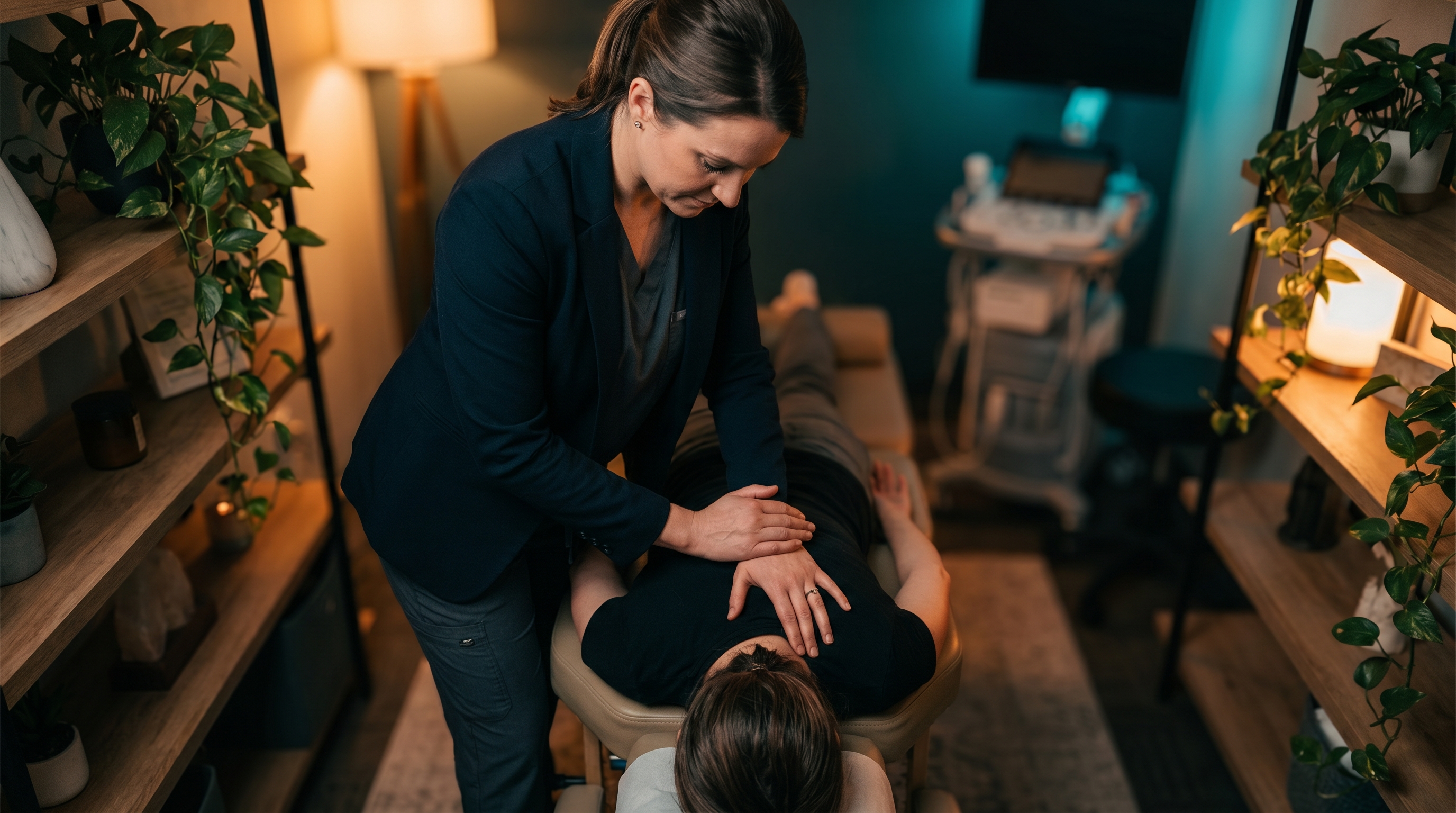
An integrative practitioner acts as a partner in your health journey. They create a personalized care plan that might include conventional treatments alongside complementary ones. For someone with chronic pain, this could mean physical therapy paired with acupuncture. For someone managing anxiety, it might involve psychotherapy alongside mindfulness practices and nutritional counseling. This model acknowledges that our mental state directly impacts our physical health, and vice-versa.
A 2018 review published in The Journal of Pain provided strong evidence that acupuncture, a key practice in Traditional Chinese Medicine, is an effective treatment for chronic pain. This is a perfect example of how ancient wisdom is being validated by modern research, giving patients more options than ever before. It shows that practices refined over centuries have a legitimate place in today's healthcare landscape.
Putting Whole-Person Care into Practice
Exploring this approach does not require a dramatic overhaul of your life. It can start with small, intentional steps that honor the connection between your mind and body. The key is to get curious about what helps you feel truly well on every level.
- Start a conversation with your current doctor. Ask about their perspective on complementary therapies like yoga, acupuncture, or dietary changes for your specific condition. Opening this dialogue is a powerful first step.
- Keep a simple journal for one week. Note how your mood, food choices, sleep quality, and activity levels seem to affect your physical symptoms. This practice builds self-awareness about your unique mind-body connections.
- Explore one new practice that interests you. Try a free guided meditation app, find a beginner's tai chi video online, or visit a local farmer's market to cook with fresh, whole foods. Approach it with curiosity, not pressure.
Finding the right approach to your health is a personal journey, and it is okay if it takes time. Trust your intuition and seek out practitioners who see you as a whole person, not just a collection of symptoms. The path to lasting wellness begins with care that honors every part of you.