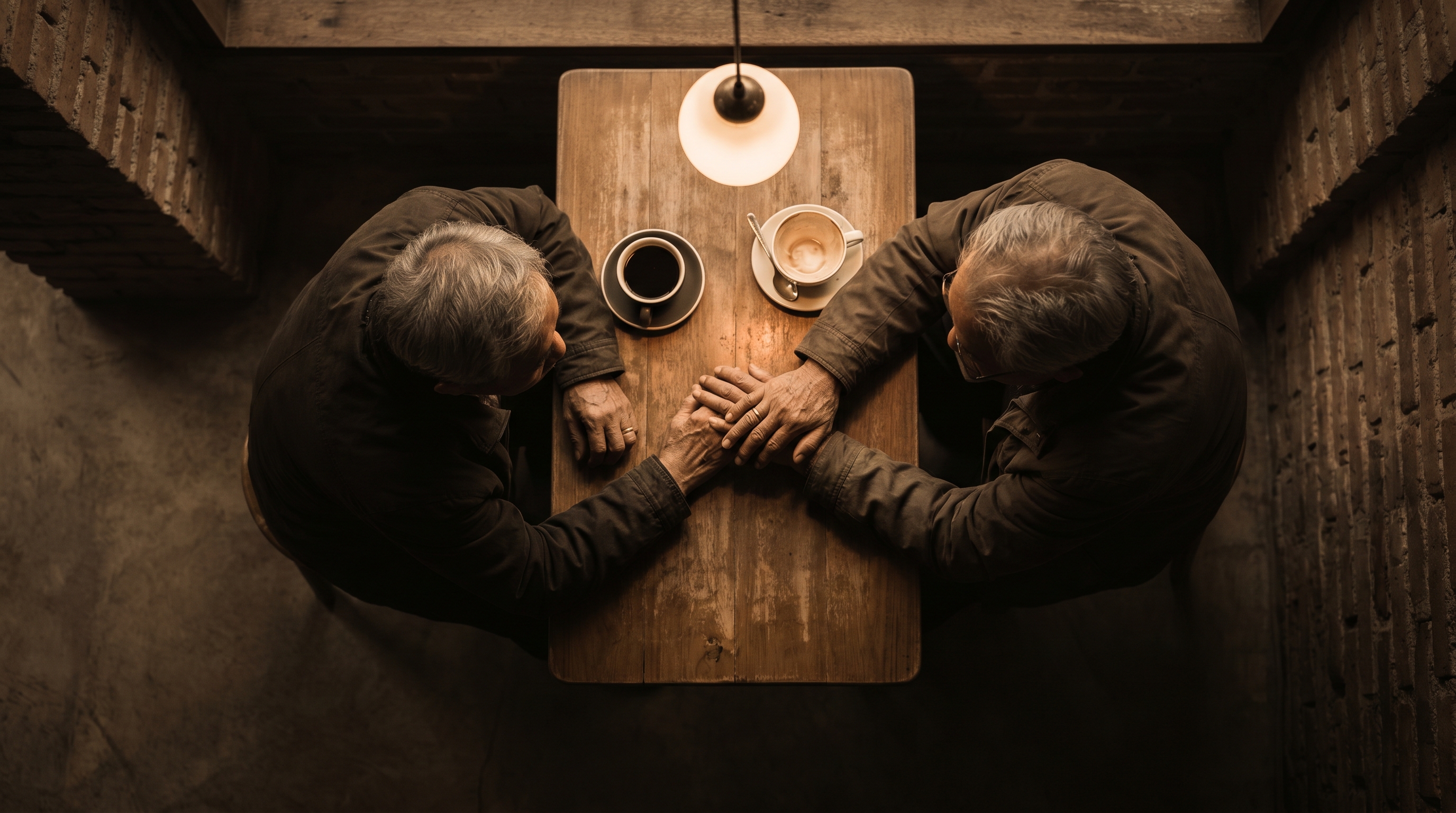
The Echoes of a Difficult Past
The event might be over, but the aftershocks can last for years. This is the core truth of trauma. It is not a sign of weakness or a failure to cope. It is a normal human response to an abnormal situation, a deep wound that reshapes how we see the world and ourselves.
Too often, the path to healing is presented as a single, straight line. People are told to talk about it, to move on, to simply get over it. This approach misses a critical point: trauma lives in the body as much as it does in the mind. It is a physiological experience that rewires our nervous system, leaving us in a constant state of high alert long after the danger has passed.
Understanding the Body's Alarm System
When you experience something overwhelming, your brain’s survival system takes over. This is the fight, flight, or freeze response. It is a brilliant, ancient mechanism designed to keep you safe. But for someone who has experienced trauma, this alarm system can get stuck in the “on” position. The world feels perpetually unsafe, and everyday situations can trigger an intense physical and emotional reaction.
You might notice this as chronic anxiety, unexplained physical pain, difficulty sleeping, or emotional numbness. These are not separate issues. They are the echoes of the original event, your body’s way of holding onto an experience it hasn't fully processed. Recognizing these signs is the first step toward understanding that your mind and body are trying to heal, even if it feels chaotic.
One Experience, Many Paths to Healing
Just as trauma affects each person differently, the journey toward recovery is deeply personal. There is no single correct way to heal. What works for one person may not work for another, which is why exploring different approaches is so vital. The goal is not to erase the past, but to integrate the experience so it no longer controls your present.
Some paths are rooted in clinical, evidence-based care. Therapies like Eye Movement Desensitization and Reprocessing (EMDR) and Trauma-Focused Cognitive Behavioral Therapy (TF-CBT) are specifically designed to help the brain process traumatic memories. These methods are well-researched and often focus on changing the thought patterns and emotional responses tied to the trauma.
Other paths focus on the body's wisdom. Somatic therapies, for example, help you tune into physical sensations to release trapped stress. Modalities like acupuncture, yoga, and nutritional support can also play a powerful role in calming the nervous system and restoring a sense of balance. These approaches work from the bottom up, addressing the physical imprint of trauma first.
Finally, there are innovative modalities that offer new hope. Neurofeedback can help retrain brainwave patterns disrupted by trauma, while medically supervised psychedelic-assisted therapies are showing incredible promise in helping individuals access and heal from deep-seated wounds in a safe, controlled environment.
The Science of Feeling Safe
Healing begins with safety. Your nervous system needs to learn that the threat is gone. Research from the National Center for PTSD shows that about 6 percent of the population will experience post-traumatic stress disorder at some point. This is not a personal failing but a reflection of how deeply these events can impact our biology. The key is to find practices and practitioners that help you re-establish a sense of safety in your own skin.
Finding the right support is about more than just credentials. It is about finding a human connection with someone who understands that healing is complex. The goal is to build a toolkit of resources that support your whole self: mind, body, and life.
What You Can Do Today
While professional guidance is essential for deep healing, there are small, immediate steps you can take to ground yourself when feeling overwhelmed. These practices help signal to your nervous system that you are safe in the present moment.
- Practice the 5-4-3-2-1 Method: Look around and name five things you can see. Notice four things you can feel. Listen for three things you can hear. Identify two things you can smell. Name one thing you can taste. This pulls your attention back to the present.
- Engage in Rhythmic Movement: Gentle, repetitive motion can be incredibly soothing for a dysregulated nervous system. This could be rocking in a chair, walking, knitting, or even just tapping your feet. The rhythm is calming and predictable.
- Focus on Your Breath: Place a hand on your belly and simply notice its rise and fall. Try to make your exhale slightly longer than your inhale. This simple action can activate the part of your nervous system responsible for rest and relaxation.
Navigating this landscape can feel overwhelming, but you are not alone. Healing is a journey of rediscovery, a path back to yourself. Finding the right practitioner who honors your unique experience is the most important first step.